He ordered the meatloaf. He always ordered the meatloaf. He sat facing the door. He always sat facing the door. The bell above the entrance jingled violently.
The heavy glass door swung open and the quiet of the diner shattered. Weston Carmichael walked in, trailed by three younger men. They were all built like blockhouses, wearing athletic gear branded with Weston’s private ranch logo. They were loud. They laughed with their chests, taking up all the oxygen in the room.
They had just finished a heavy sparring session, high on adrenaline and their own perceived invincibility. The waitress, a 60-year-old woman named Patty, stiffened behind the counter. She grabbed a coffee pot, her knuckles white on the handle. Weston slapped a $50 bill on the counter. Protein shakes for my guys, Patty.
Whatever you got. Extra eggs. He didn’t look at her. He was already scanning the room, his eyes locked onto the back booth. A cruel, sharp grin spread across Weston’s face. He patted one of his buddies on the shoulder and jerked his chin toward Arthur.
The pack moved through the diner, weaving between the empty tables until they surrounded Arthur’s booth. Arthur kept eating. He cut a piece of meatloaf, chased it with a sip of black coffee. He didn’t look up. Boys, Weston said, leaning against the edge of Arthur’s table.
I want you to meet my neighbor. This is Arthur Hayes. He’s a big fan of historical fiction, specifically old property deeds. The three sycophants chuckled. One of them, a thick-necked guy with a cauliflower ear, cracked his knuckles. How’s the fence coming, old man? Weston asked.
It’s holding. Arthur said quietly. He placed his fork down on the porcelain plate. The tiny clink was swallowed by the ambient hum of the diner’s refrigerators, but to Arthur, it sounded like a hammer strike. I heard you went to the sheriff about my gate. Weston said, his tone mocking. Sheriff told you it was a civil matter, didn’t he? Told you to get a lawyer, but we both know you can’t afford a lawyer, Hayes.
You can barely afford that slop you’re eating. Arthur picked up a napkin. He wiped his mouth. You’re standing in my light, Weston. The diner went dead silent. The two old men at the counter stopped chewing. Patty froze with the coffee pot midair.
Weston’s smile vanished. The disrespect was too naked, too public. His ego, fragile and inflated by the yes-men surrounding him, couldn’t take it. You’ve got a lot of nerve. Weston hissed, slamming both palms down on the tabletop. The coffee in Arthur’s mug sloshed over the rim, staining the white Formica.
I’m trying to drag this dead-end town into the 21st century. I’m bringing money here. I’m bringing prestige. And you’re just standing in the dirt clutching a piece of paper. Arthur looked at the spilled coffee. Then, slowly, he raised his eyes.
He didn’t glare. He didn’t scowl. His expression was entirely devoid of emotion. It was a flat, dead stare. It was the look of a man evaluating a structurally unsound building before demolition.
You bring money. Arthur said, his voice so quiet Weston had to lean in to hear it. You bring noise. But you don’t bring respect. And you don’t own the road. Weston snorted, standing up straight. He looked at his friends, playing to his audience. Respect? You think you deserve respect because you’re old and you shovel manure?
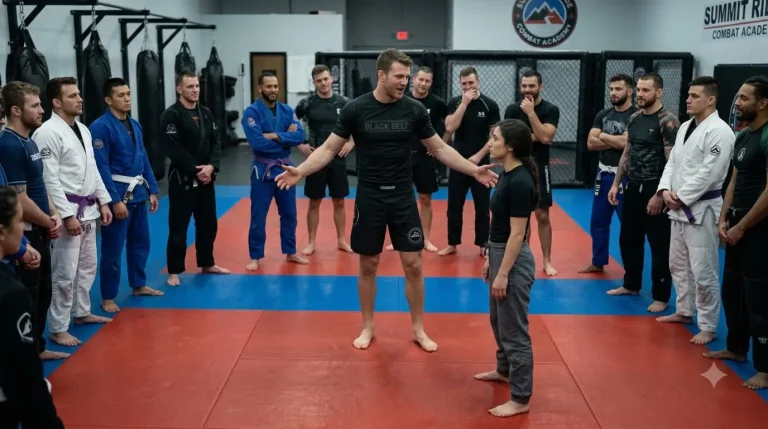
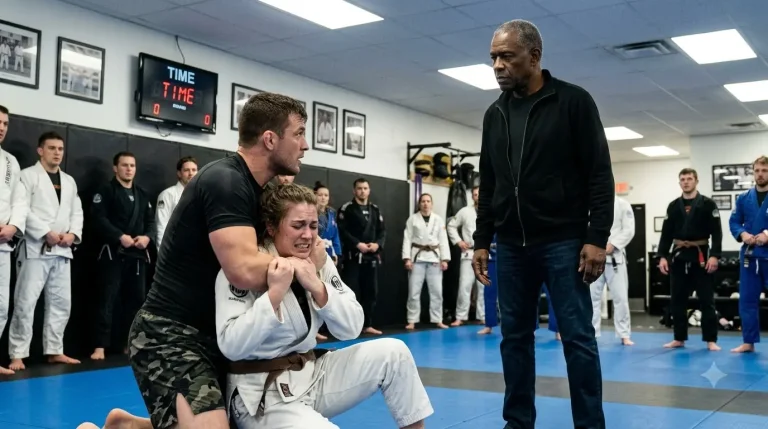
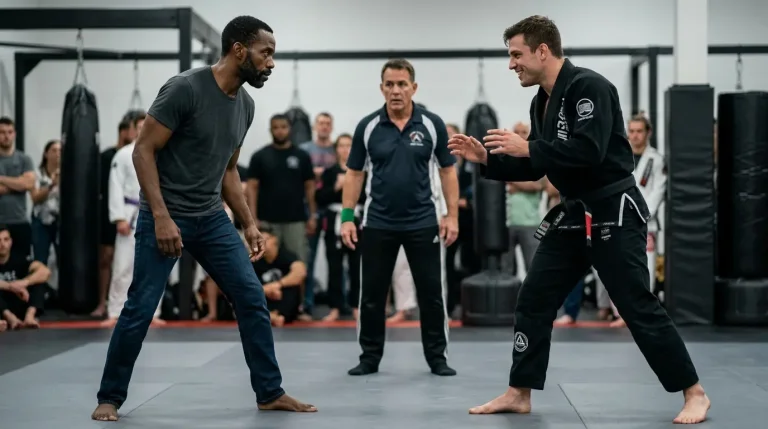
Respect is earned, Hayes. Weston tapped his own chest. I’m a third-degree black belt. I’ve competed in Abu Dhabi. I’ve choked out guys twice your size.
You want respect? You step onto a mat and you take it. I don’t play games on mats, Arthur said. Because you can’t, Weston shot back. He reached out and grabbed the salt shaker from Arthur’s table, tossing it casually in the air and catching it.
You’re a fossil. You hide behind the sheriff and your rusty truck because you’re weak. If you were a real man, you wouldn’t need a deed to protect your property. You’d protect it yourself. Arthur looked at the salt shaker in Weston’s hand.
Put that down. Or what? Weston challenged. He dropped the salt shaker into Arthur’s half-eaten meatloaf. It sank into the gravy.
Patty gasped. The thick-necked friend laughed. Arthur stared at the ruined meal. He didn’t sigh. He didn’t yell.
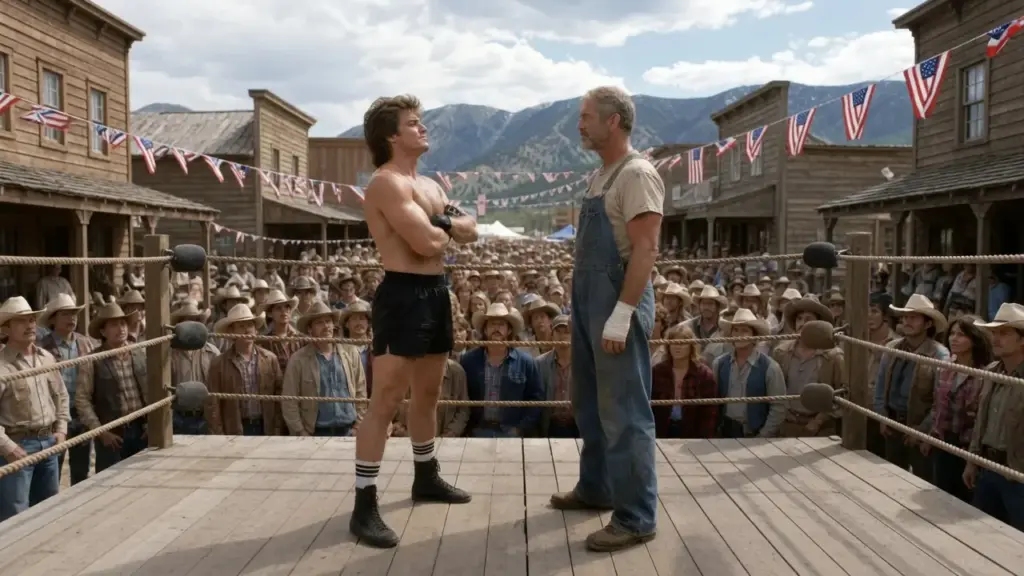
The silence in him just grew deeper, heavier. It was a terrifying kind of stillness. It was the calm of the ocean drawing back right before a tsunami hits the shoreline. Arthur slid out of the booth. He stood up.
He was 2 in shorter than Weston and 30 lb lighter. He didn’t puff out his chest. He stood perfectly balanced, his weight evenly distributed, his arms hanging loose at his sides. You owe Patty for the food, Arthur said. Weston laughed in his face.
I’ll buy the whole diner if I want to. Arthur reached into his front pocket, pulled out a worn leather money clip, and dropped a $10 bill on the table. He stepped past Weston, intentionally brushing his shoulder against the younger man’s chest. It wasn’t a shove. It was an assertion of space.
Weston grabbed Arthur’s shoulder. I’m not done talking to you. Weston barked. The moment Weston’s fingers closed around the denim of Arthur’s shirt, the air in the diner changed. Arthur moved with startling speed, turning just enough to break the grip and pin Weston’s wrist in a controlled hold. There was no flourish and no visible anger, only a brief application of practiced leverage that made Weston release him at once.
For a second, the younger man’s knees softened and his expression went blank with disbelief. Arthur let him go immediately and stepped back, leaving Weston clutching his wrist while his friends stared. The old rancher adjusted his collar as though nothing remarkable had happened. Don’t touch me again, he said. The humiliation hit Weston like a physical blow. The shock evaporated, instantly incinerated by white-hot rage.